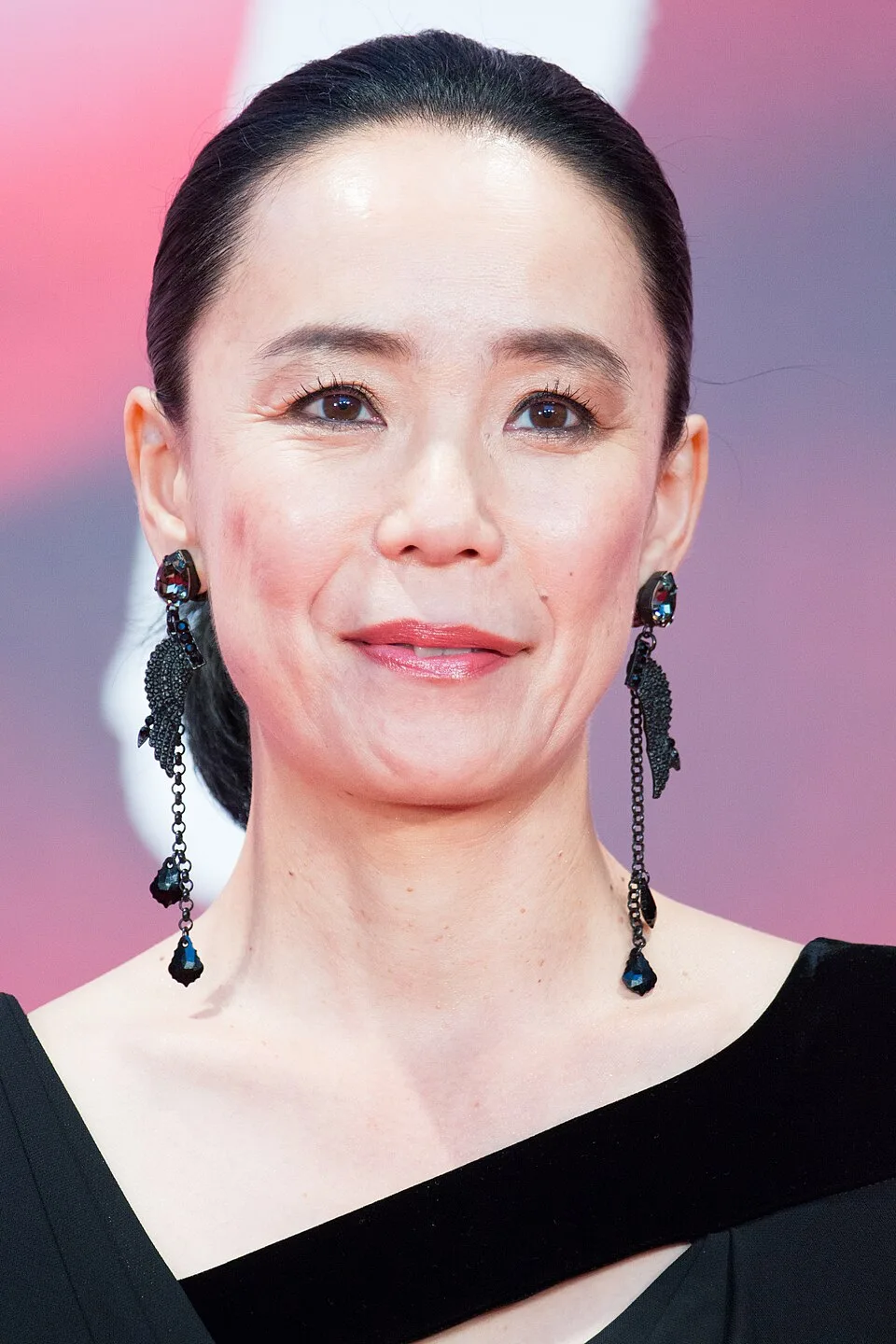
Naomi Kawase
Judges
Seccion Oficial
2026
Nara, the prefecture where Naomi Kawase was born on 30 May, 1969, is essential to understanding her work. She grew up in a rural, traditional environment marked by the absence of her parents, who separated when she was very young. Raised by her great‑aunt—a decisive figure both in her life and in her films—Kawase transformed that early experience of abandonment and emotional reconstruction into the core of much of her cinema.
She studied photography and audiovisual production at the Osaka School of Photography, where she later taught. Her first works were autobiographical documentaries shot on small formats, adopting the tone and intimacy of a personal diary. In them, she explored her own family history: the search for her absent father, illness, motherhood, and her bond with the elderly woman who raised her.
Kawase’s international breakthrough came in 1997 with Suzaku (Moe no Suzaku), which earned her the Caméra d’Or at Cannes, making her the youngest filmmaker ever to receive the award. From then on her career was closely linked to major European festivals and to the prestige of contemporary auteur cinema.
One of the most distinctive elements of Kawase’s filmmaking is her combination of documentary observation and fictional narrative. Many scenes feel as if they were captured spontaneously, as though the camera were simply accompanying real life. This sense of authenticity stems from her documentary background and her commitment to recording genuine emotion. Her films frequently feature non‑professional actors, natural light, and real locations, resulting in a cinema of striking visual intimacy.